
What is Chipset? 7 Essential Things Every Beginner Should Understand
Introduction
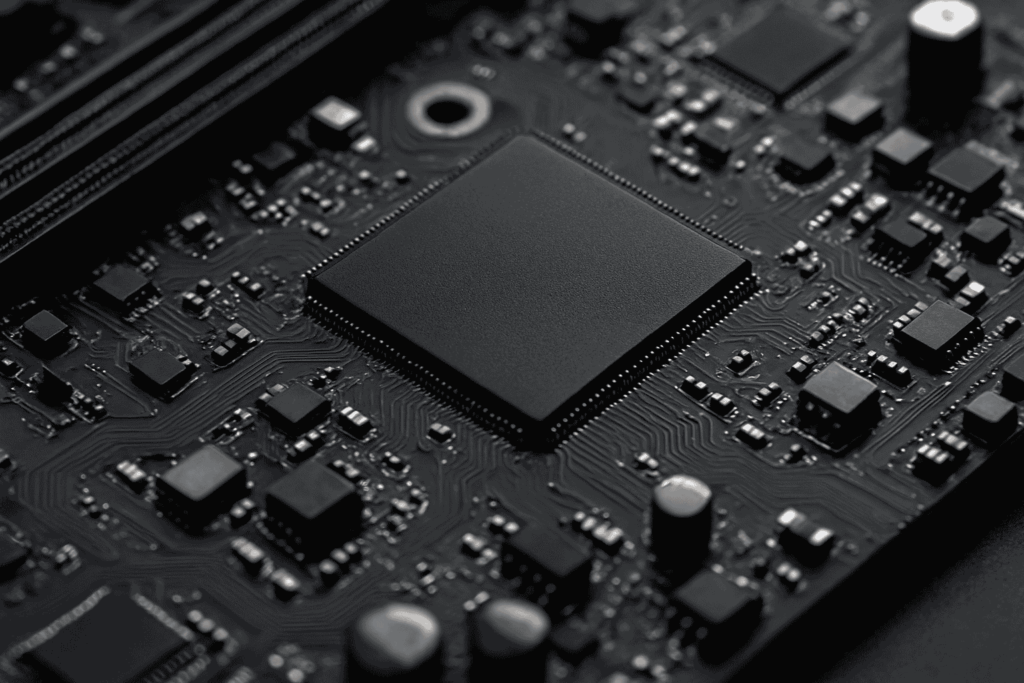
A chipset is a collection of integrated circuits designed to manage communication between the central processing unit (CPU), memory, storage devices, and peripheral components. It acts as a controller that ensures proper coordination within a computing system.
At AllTechSolutions.us, technology topics such as chipsets are explained in simple terms for beginners. This article presents seven essential points that provide a clear understanding of what a chipset is and why it matters.
Essential Thing 1: Definition
A chipset refers to a group of electronic components in an integrated circuit, usually located on the motherboard of a computer or within a system-on-chip (SoC) in mobile devices. It directs data flow and defines hardware compatibility.
Essential Thing 2: Importance
Chipsets determine the features and performance of a system. They control how fast components can communicate, the type of processors supported, and the available connectivity options such as USB, PCIe, and SATA. A higher-end chipset generally supports more advanced features, while budget-oriented chipsets may have fewer capabilities.
Essential Thing 3: Types
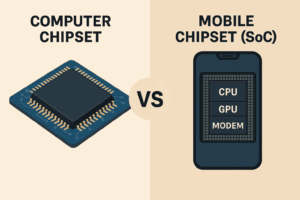
There are two broad categories of chipsets:
-
Computer chipsets: Found in desktop and laptop motherboards. Major manufacturers include Intel and AMD. These chipsets decide which CPUs can be installed, the type of RAM supported, and the range of peripheral devices that can be connected.
-
Mobile chipsets (SoCs): Used in smartphones and tablets. These integrate multiple components such as the CPU, GPU, modem, and controllers into one package. Popular examples include Qualcomm Snapdragon, Apple A-series, and MediaTek Dimensity.
Essential Thing 4: Chipset vs. Processor
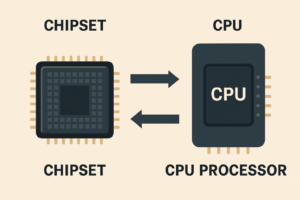
The processor (CPU) executes instructions and performs calculations. The chipset, by contrast, manages the data pathways between the CPU, memory, and external devices. While the CPU can be seen as the “brain” of a system, the chipset functions as the “nervous system” that ensures smooth communication among all parts.
Essential Thing 5: Role in Computers
In personal computers, chipsets regulate data transfer between the processor, memory, storage, and peripherals. They are responsible for system stability and expansion options. For example, a modern Intel or AMD chipset may determine whether high-speed NVMe storage or the latest generation of graphics cards can be supported.
Essential Thing 6: Role in Mobile Devices
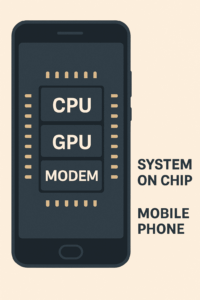
In smartphones, the chipset is typically a system-on-chip (SoC). This design integrates the CPU, GPU, modem, and other critical components onto a single chip, making devices compact, energy efficient, and powerful. Mobile chipsets also affect camera quality, battery life, and wireless connectivity, which are essential features in modern devices.
Essential Thing 7: Upgradability
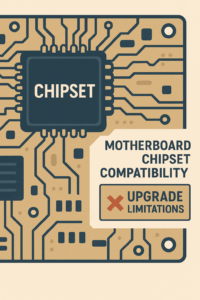
Unlike components such as random-access memory (RAM) or storage, chipsets are not upgradeable by themselves. In most cases, obtaining a newer chipset requires replacing the entire motherboard in a computer or purchasing a new mobile device. This limitation highlights the importance of choosing the right chipset when buying new hardware.
History
Chipsets first appeared in the 1980s as support chips for early microprocessors. Over time, they evolved from large sets of multiple chips into more compact and efficient designs. In modern computing, many chipset functions have been integrated directly into the CPU, especially in mobile systems, though dedicated chipsets remain critical in desktop and laptop platforms.
Frequently Asked Questions
What is chipset in computer?
A chipset in a computer is a collection of circuits on the motherboard that manage communication between the CPU, memory, and peripherals. It determines compatibility and system performance.
What are the types of chipset?
Chipsets are classified as computer chipsets (Intel, AMD) and mobile chipsets (Snapdragon, Apple A-series, MediaTek). Each category has different functions depending on the platform.
What is the difference between chipset and processor?
The processor executes instructions, while the chipset coordinates data transfer between the CPU and other hardware components. Both are essential but serve different purposes.
What is chipset in mobile phones?
In mobile phones, a chipset usually refers to a system-on-chip (SoC) that combines the CPU, GPU, modem, and other controllers. It influences performance, connectivity, and battery life.
Can a chipset be upgraded?
No. Chipsets are built into the motherboard or SoC and cannot be upgraded independently. A new chipset requires a new motherboard or device.